Patients or clients suffering from a Dissociative Disorder present a particular challenge to the Psychiatric Services, and other mental health organisations. Undiagnosed, they can display varying and, at times, contradictory symptoms. Such patients are often seen as difficult to handle, their diagnosis masking a wide range of presentations including self-harm, eating disorders, memory loss and age regression. Furthermore, a Dissociative Disorder or Dissociative symptoms can be present concurrent with other Axis 1 & Axis II Disorders such as EUPD (Emotionally Unstable Personality Disorder), NEAD (Non-Epileptic Attack Disorder) and FND (Functional Neurological Disorder).
With all of our services, we work in collaboration with you as the health professional, and also with your client or patient to ensure that we can achieve the most successful outcomes, which are tailored to individual requirements.
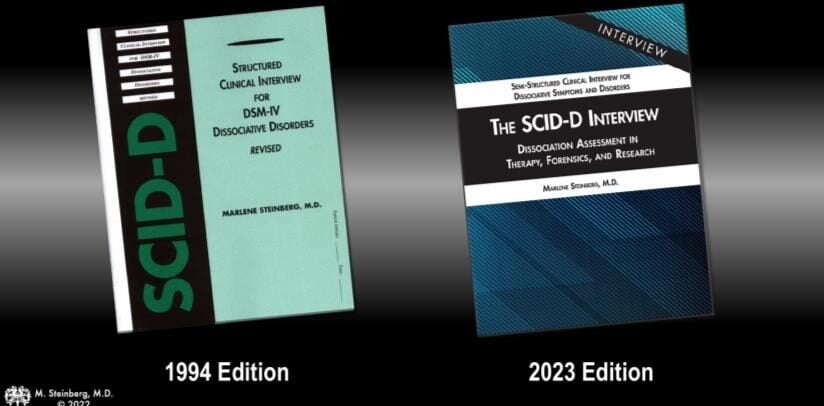
The SCID-D (Semi-Structured Clinical Interview for Dissociative Symptoms and Disorders) assessment.
If you think that your client/patient may be experiencing dissociative symptoms, as a starting point, we can offer our free screening instruments service, which are the DES (Dissociative Experience Scale) and SDQ20 (Somatoform Dissociation Questionnaire) and these can be scored for you free of charge.
A variety of treatment plans can be offered which are tailored to an individual clients needs, and our team are happy to discuss how we can best assist you and your client, offering a free of charge Zoom call. These are offered following the ISSTD guidance, and follow the recommended 3 stage pathway of…
This is a unique feature that the Centre is able to offer in partnership with the funding body. We are able to meet with the psychiatric team on location and help put together a Care Plan tailored to their requirements and that of the patient in question. This can include training of a local designated psychotherapist; supervision of the individual therapy; initial facilitating of the multi-disciplinary team (Consultant Psychiatrist, GP, CPN, etc). A key element to a good outcome, with this patient group, is a contained holding environment where the patient’s potential for splitting is reduced to a minimum.
Training:
Workshops are regularly offered in Norwich and can be organised nationally for both therapists and multi-disciplinary teams, which we can adapt to your needs, from offering an introduction to Dissociative Disorders, through to assessments.
NHS Pathway:
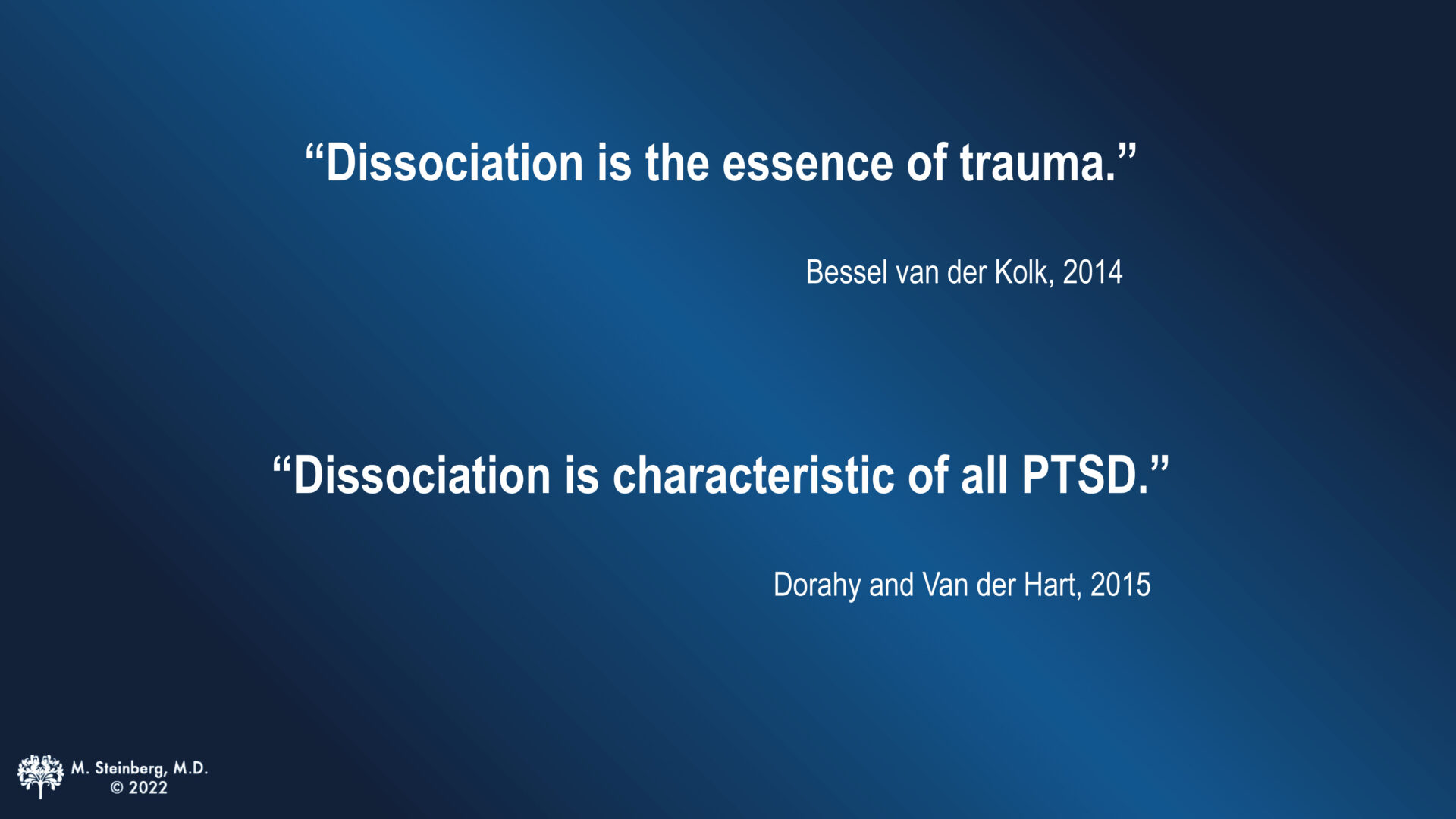
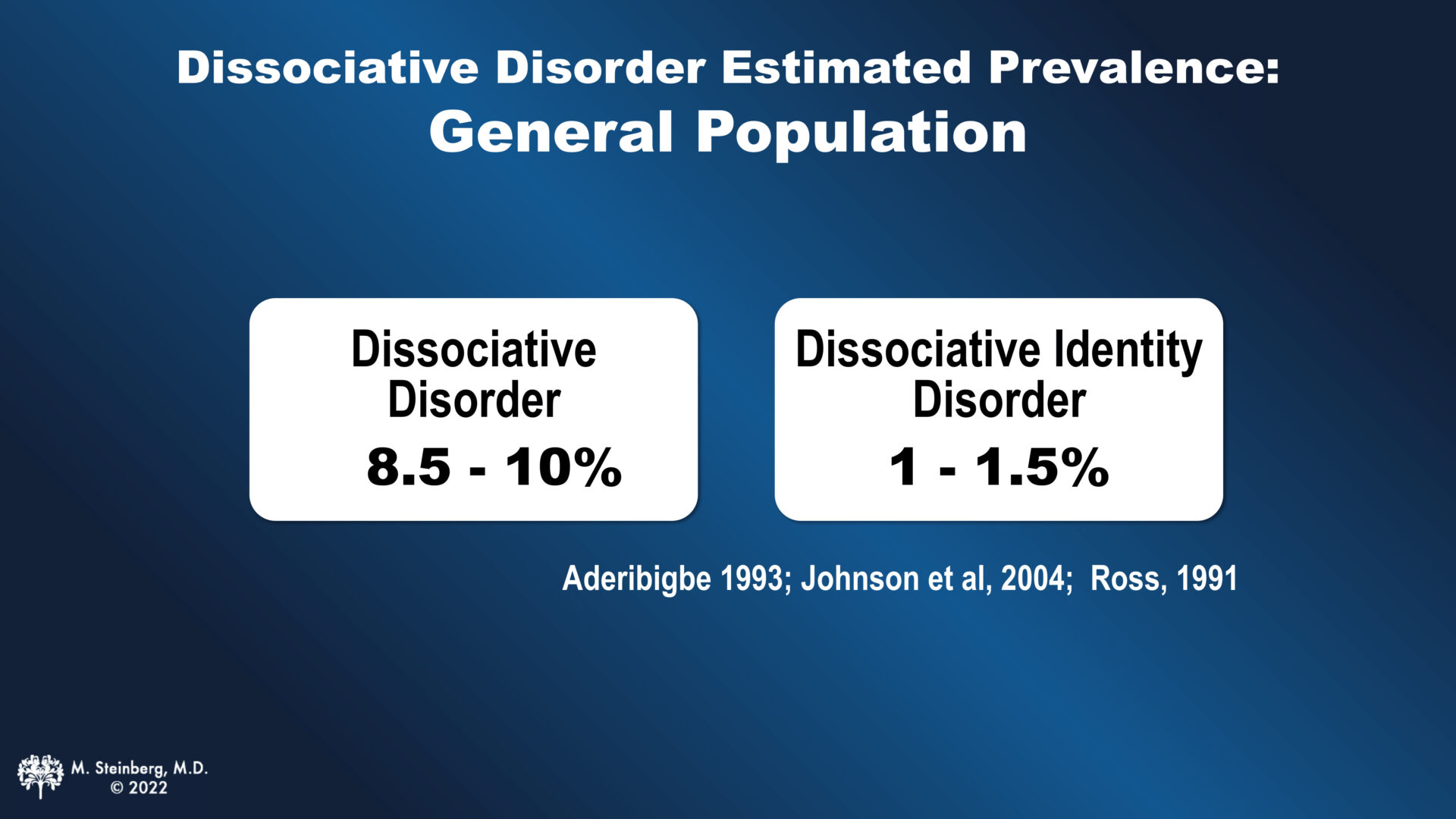
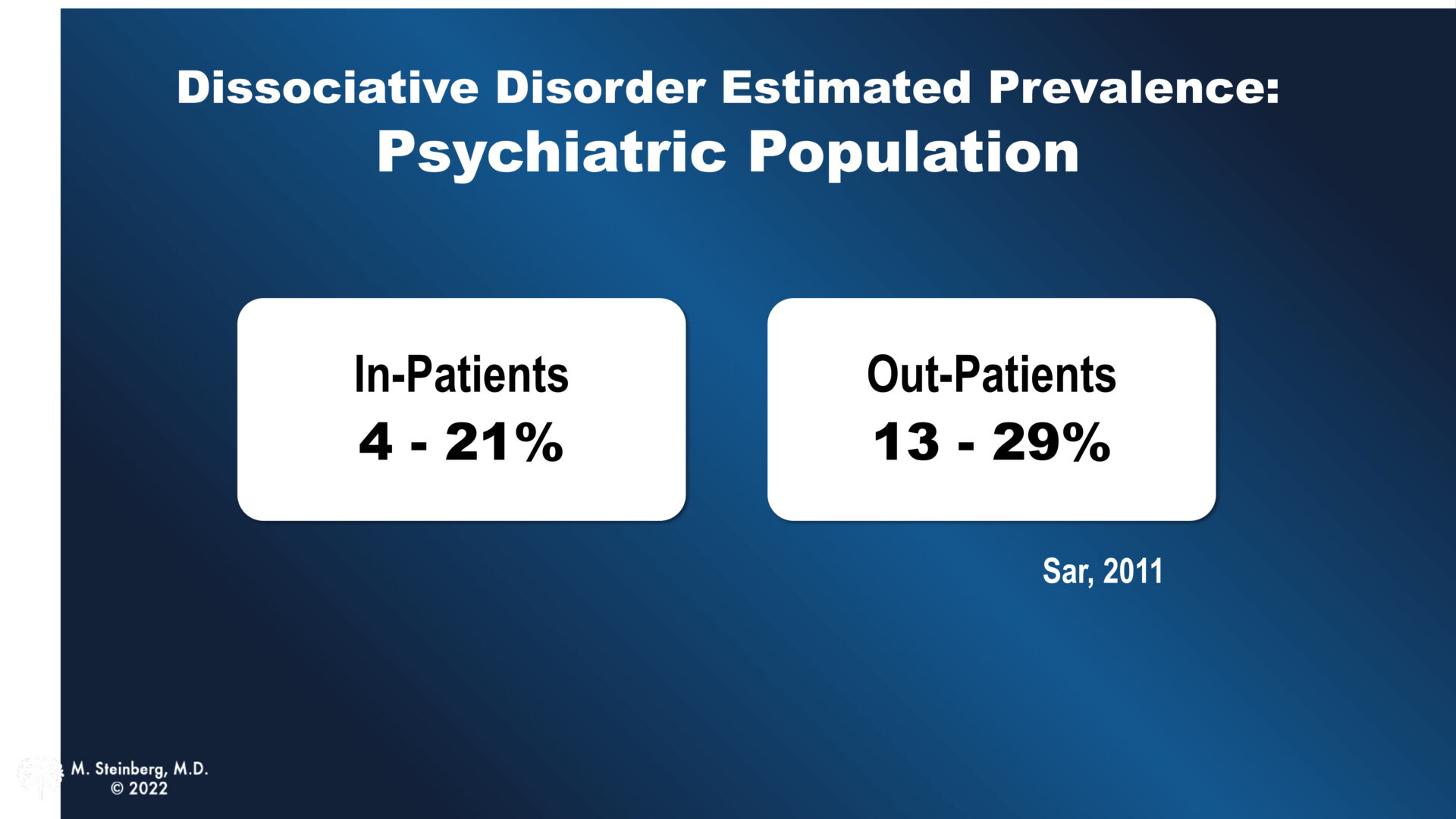
Dissociation and dissociative disorders are a ‘hidden epidemic’. There is significant prevalence and an unmet need within mental health services. People are being misdiagnosed, leading to ineffective and costly treatments, reduced quality of life and in some cases long psychiatric admissions. Improving awareness of dissociation, presented as a logical survival response to trauma, equips people to recognise dissociation and respond effectively to reduce retraumatisation.
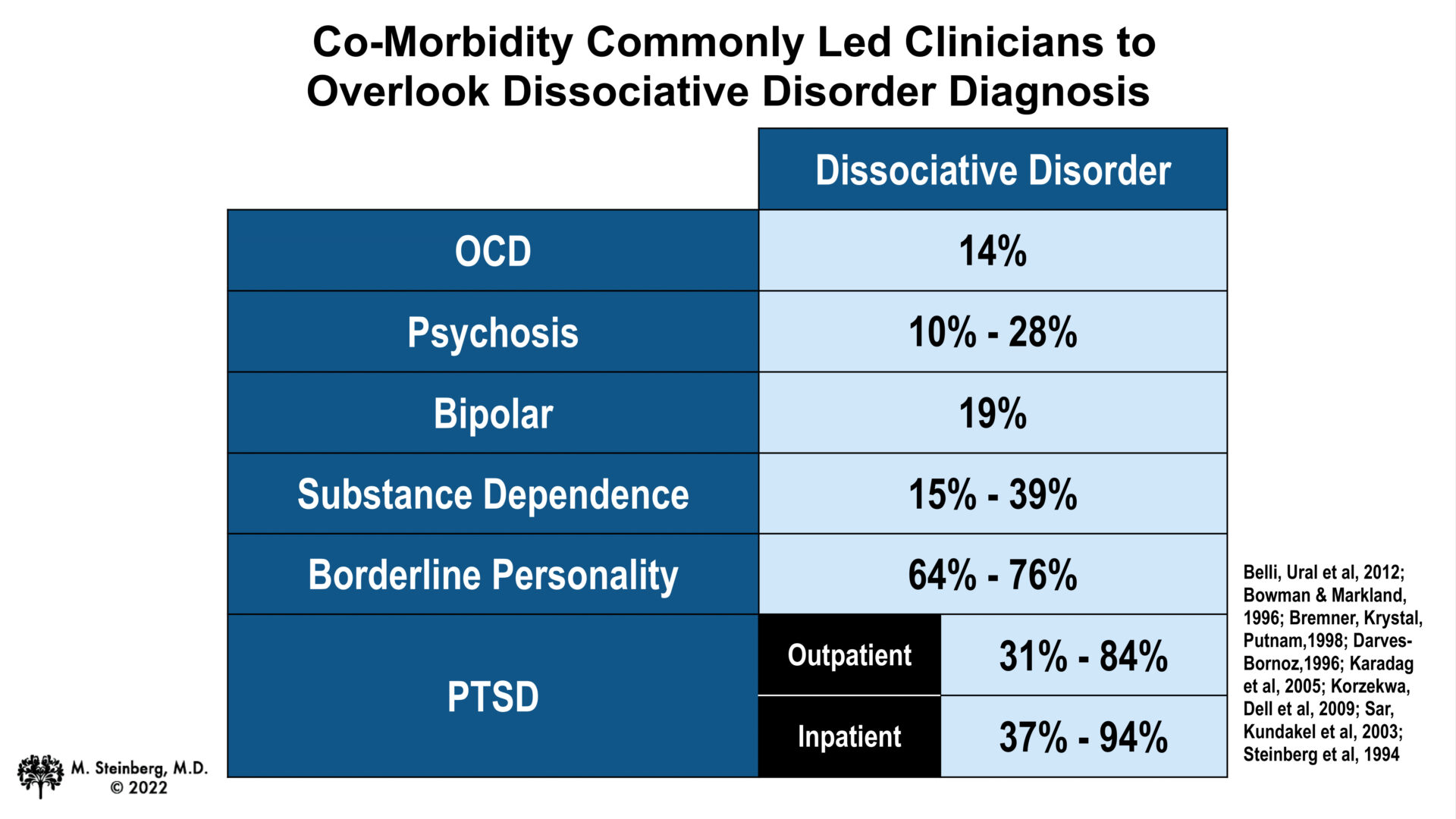
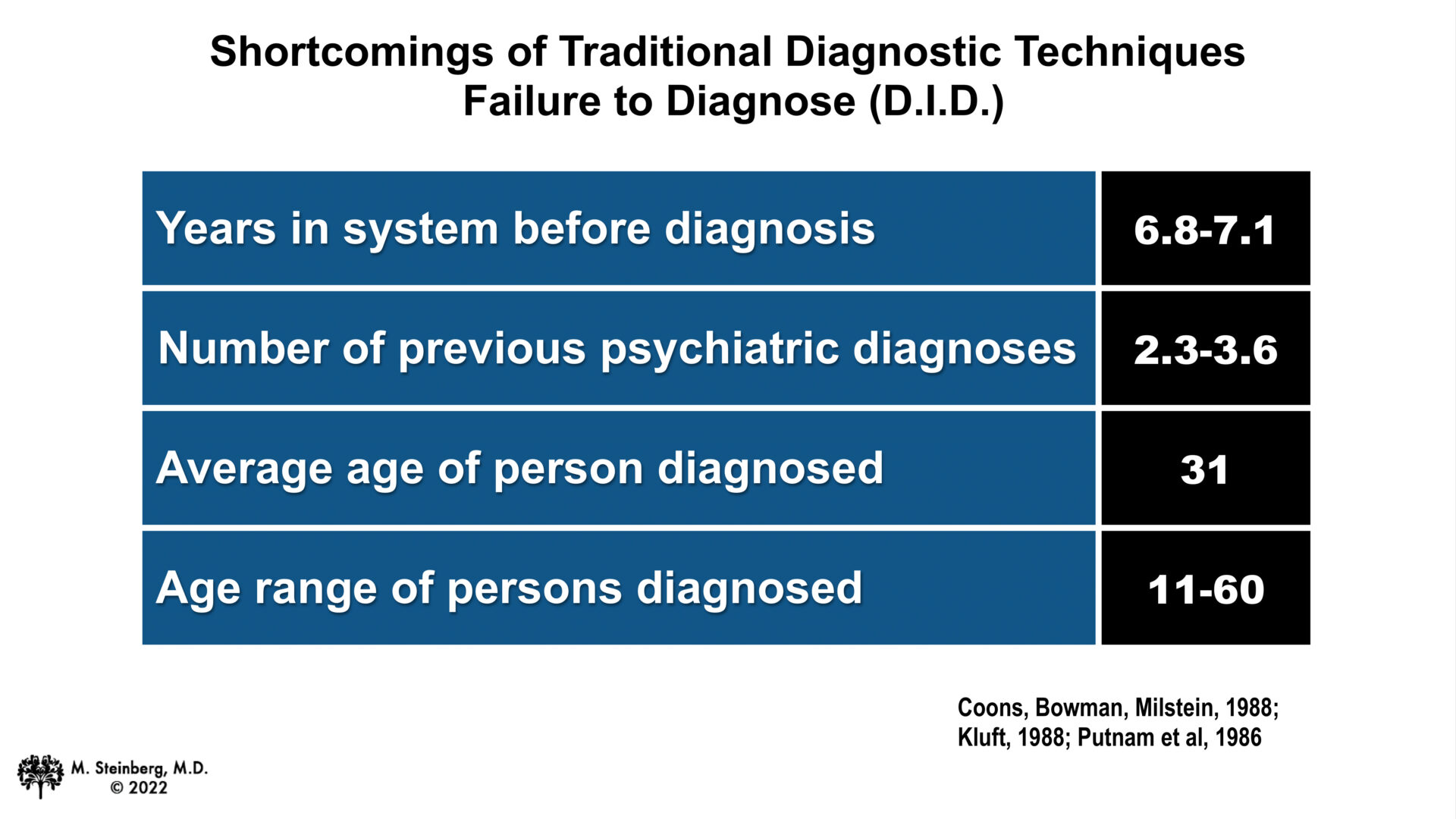
Dissociative disorders are often misdiagnosed due to overlapping symptoms with other conditions. The evidence below highlights common co-occurring disorders and the frequent delays in accurate diagnosis.
The assessment process with my assessor was an incredibly validating experience. I finally feel like I have an explanation for what’s been happening all my life and a clearer direction for how to move forward….Thank you again for making what could have been a very daunting process feel so supportive and smooth.
Thank you so much for your email, and for the care and thought you put into your reflections following our session…..we really appreciate the way you held space for everything that was shared.
We really are incredibly grateful for the time you gave us in a safe way, and for how you supported everyone who came forward.
I just wanted to say how lovely you are and tell you how much I appreciated the way you were. I don’t have a great memory of the process for that day but my overwhelming memory is of your kindness, supportiveness and understanding.
Pottergate made a potentially difficult decision, full of trepidation, as easy as it could have been made for me and all our learned trauma responses that we had to navigate.
I could not have asked for any better in what you have provided in the reports. Thanks so much to the team for your efforts.
I feel quite calm and accepting of the outcome of my recent SCID-D assessment to be honest and feel I can now finally stop trying to find out what has happened to me after all this time. I just know that this will change my life now as I have a full understanding and I don’t have to keep searching anymore to try to understand myself.
Thank you all so much for all of your help and support during this process, it was a really huge step for me to take but you have made me feel extremely validated throughout this whole process.
Steph made me feel so calm, even in the first Zoom call, it takes an awful lot for me to trust anyone, and I felt at ease straight away which then made taking the next step so much easier for me.
We can send you a set of screening instruments which can then be scored free of charge. For more information, click here. Please complete the contact form to request the screening instrument.
Yes, the SCID-D (Semi-Structured Clinical Interview for Dissociative Symptoms and Disorders) is used to diagnose Dissociative Disorders, and our highly trained team are experts in carrying out the assessment.
Yes, we can offer supervision to help on a regular basis, or as one-off consultations. You are welcome to get in touch to discuss how we can help further.
We can tailor our training packages to work with your individual needs, from introductory courses to carrying out assessments and we would be happy to discuss how we can help you.
The SCID-D (Semi-Structured Clinical Interview for Dissociative Symptoms and Disorders) assessment.
While screening instruments can give you an indication of the levels of your clients symptoms it does not provide formal diagnosis. We believe it’s important for a number of reasons to consider having a proper diagnosis. These are some of the reasons:-
Though your client may accept in theory the possibility of having a dissociative disorder, at another level they may need the validation by having an assessment for this condition.
This may be the first step in getting appropriate treatment for this misunderstood condition.
If you are already working together therapeutically (either privately or through the NHS) this would either confirm that therapy is working in line with the ISSTD guidelines, or can enable you to review the therapy that is currently being offered.
The steps towards having an assessment are as follows:
Completion of the screening instruments.
Your client will be offered an introductory Zoom call with their assessor, to ensure that the assessment is an appropriate step to take. There is no obligation at this point to undergo the assessment, as it is important for your client to feel as comfortable as possible about the assessment process they are underaking.
The completion of the SCID-D assessment interview, which is carried out in a conversational way, looking at how symptoms affect them on a day to day basis. We will not be asking any questions about any possible trauma during this time.
The report is then completed, and we collaborate with your client to ensure that the report reflects their symptoms accurately, before we complete the report and provide a letter of recommendation for treatment.
Follow up Zoom call, to discuss the outcome of the assessment and treatment recommendations.
Treatment Plans:
Generally treatment for Dissociative Disorders is seen as a three stage process:-
Stage 1:Establishing Working Alliance
Symptom reduction
Stabilisation
Setting and management of clear boundaries
Encouraging good internal communication
Getting to know the internal hierarchical system
Skills Building
Stage 2:Treatment of Traumatic Memory
Stage 3:Integration of thoughts feelings and action
NHS Pathway
Improve understanding: Psychoeducation and resources for clients, supporters and staff to increase knowledge, reduce anxiety and improve skills of all to support self-management.
Reduce misdiagnosis: Training in screening, assessment to aid diagnosis, reduce inefficient treatments. Aid individual and service understanding of complex multifaceted presentations. Reduce iatrogenic harm.
Develop existing provision: Develop existing therapy provision to incorporate dissociation specialist practice. Therapists from a range of models can extend provision using the ISSTD guidelines.
Invest in existing well-governed NHS services, reduce fragmentation of multiple and independent providers.
Supervision of therapists and staff working with significant dissociation to reduce burnout and increase containment and hope.
Outcomes
Reduced spending on inefficient and ineffective psychiatric and psychological treatments.
Invest in existing services, recognition of the skills and expertise of existing staff.
Improve understanding and support and reduce burnout and anxiety of staff. Improved quality of life for clients, reduce reliance upon services
The Pottergate Centre can provide
Introductory training- 2 hours
ESTDuk training package- modules
Screening and SCID-D training
Supervision of therapists
Support to the lead for dissociation practice to develop the pathway