Like many of us, my involvement in the field of dissociation started when I came across a patient who didn’t seem to fit into any of the presentations I had been trained to expect as psychoanalyst.
That was in 1989.
Back then virtually nothing was known about this condition and certainly no resources or training existed in the UK. It was the ISSTD, now the ISSTD (international society for the study of trauma and dissociation) that became my mentor and trainer.
Over the following three decades most of the treatment was provided within the private sector. Despite the condition being present in both DSM and ICD Psychiatric manuals, existence was too often doubted, disbelieved, dismissed or occasionally acknowledged as very rare. As a hidden condition often steeped in shame, it was not surprising in retrospect that people with this condition hid their symptoms. At the time talking of hearing voices for instance would determine the pathway towards a diagnosis of psychosis or schizophrenia.
The Pottergate Centre was established in 1991 and eventually became a limited company in 2023.
For many years our focus had been to offer assessments and treatments through exceptional funding (from CCGs and ICBs). These were delivered by our associate therapists across the country.
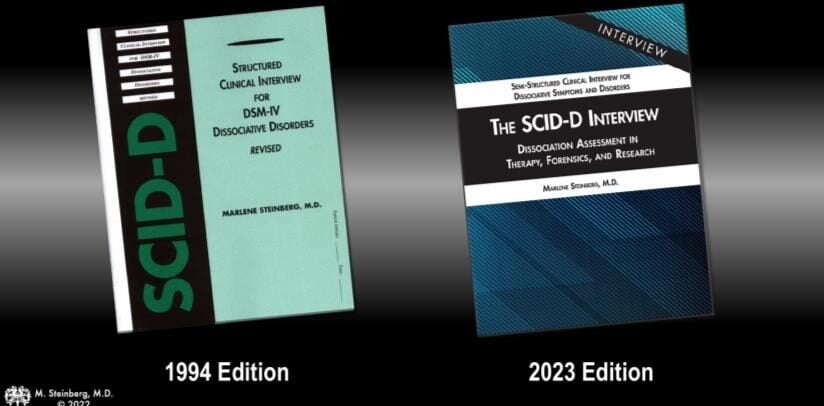
The last five years has seen a growing acceptance within secondary services (primarily among clinical psychologists) of patients with dissociative disorders linked to extreme early childhood trauma. The new addition of the SCID-D (Semi-Structured Clinical Interview for Dissociative Symptoms and Disorders) makes it now possible to diagnose under both DSM5 and ICD11.
Consequently, our focus has turned to encouraging and assisting secondary services, where possible, to set up their own outpatient treatment for dissociative patients.
MEET THE TEAM
Behind The Pottergate Centre
All members of the Centre are part of ISSTD &/or ESTD.
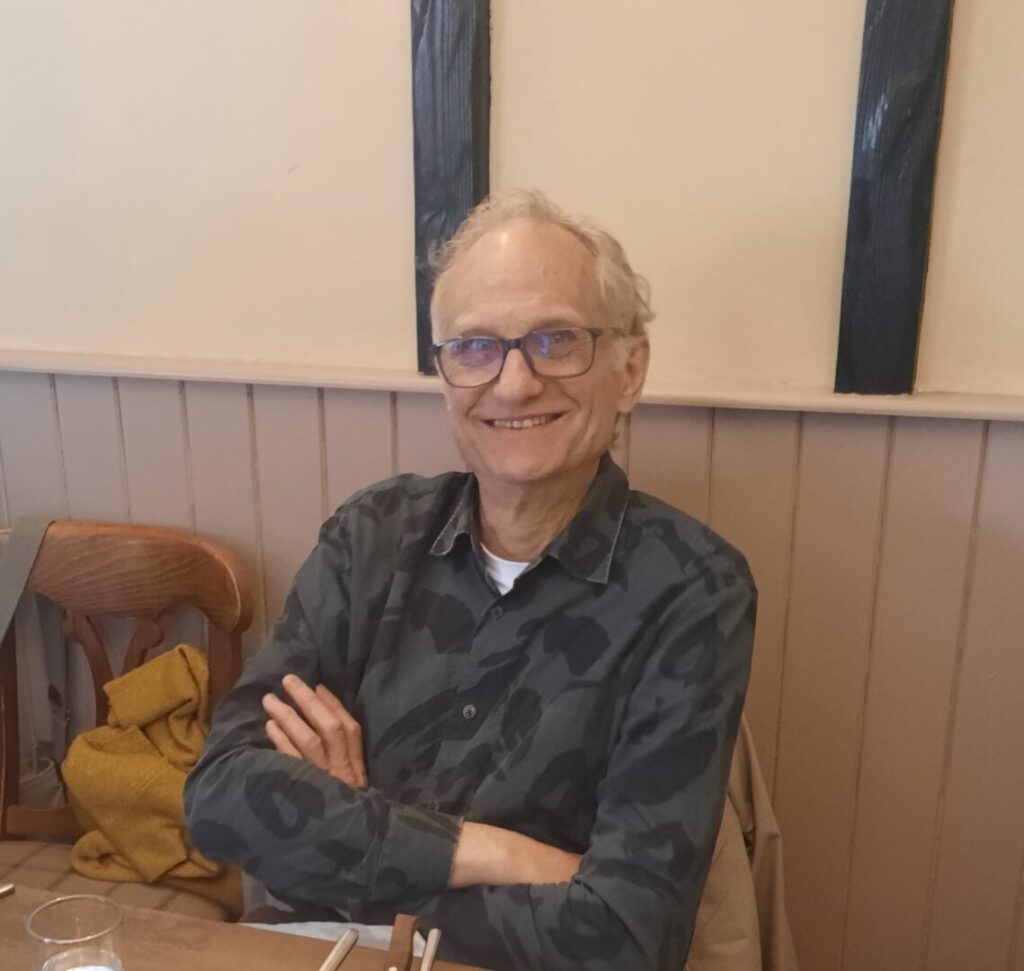
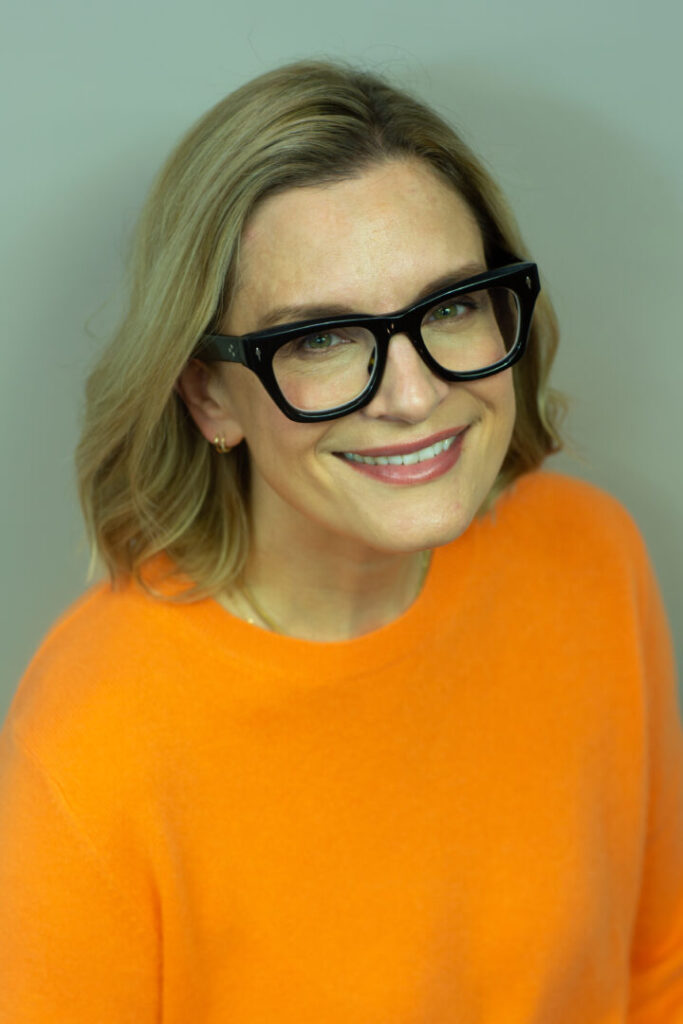
Remy Aquarone
Centre Director
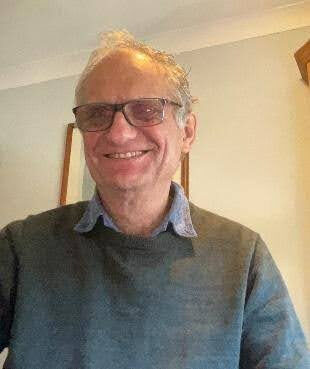
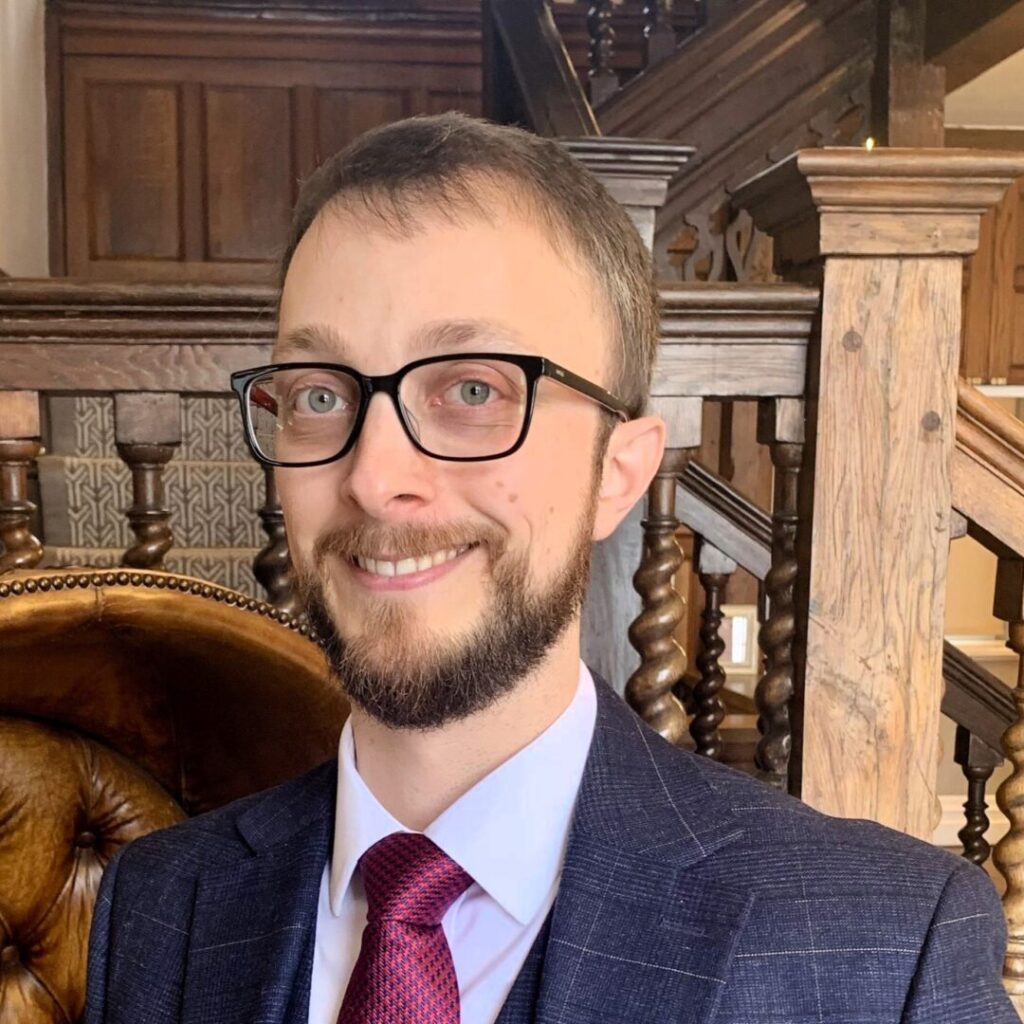
Dr Jamie Wright
Consultant Psychiatrist
Dr Stephanie Sneider
Consultant Clinical Psychologist
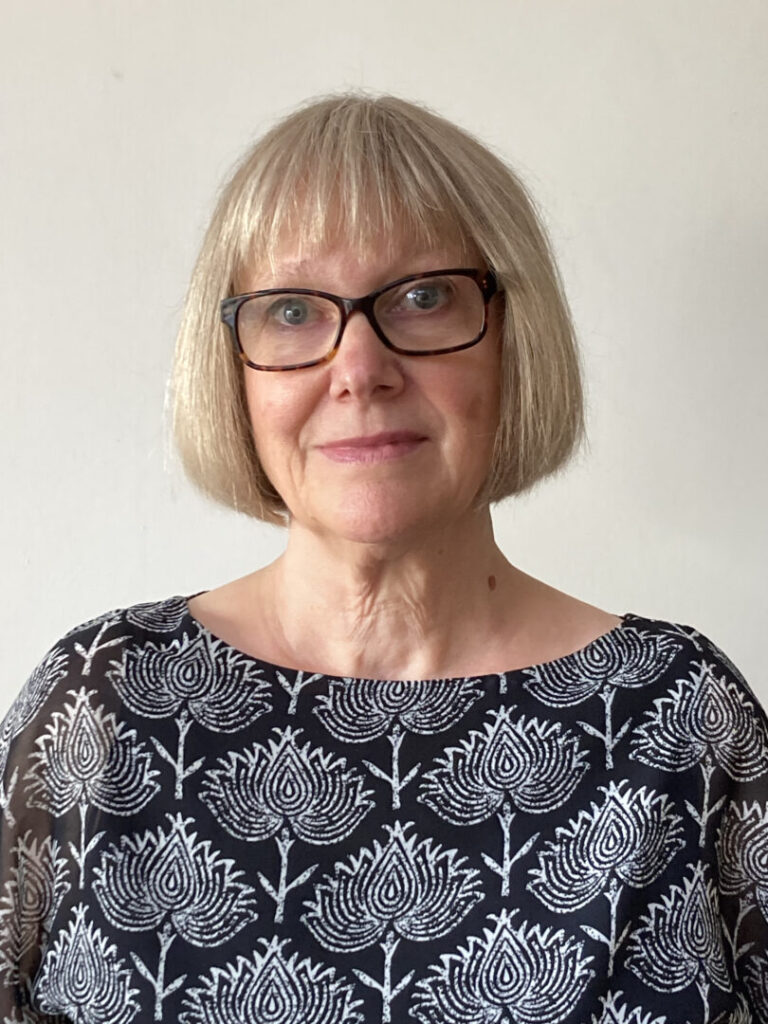
Shirley De Marco
Counsellor and Psychotherapist
Helena Crockford
Consultant Clinical Psychologist
Dr Kiki Hassen
Senior Clinical Psychologist
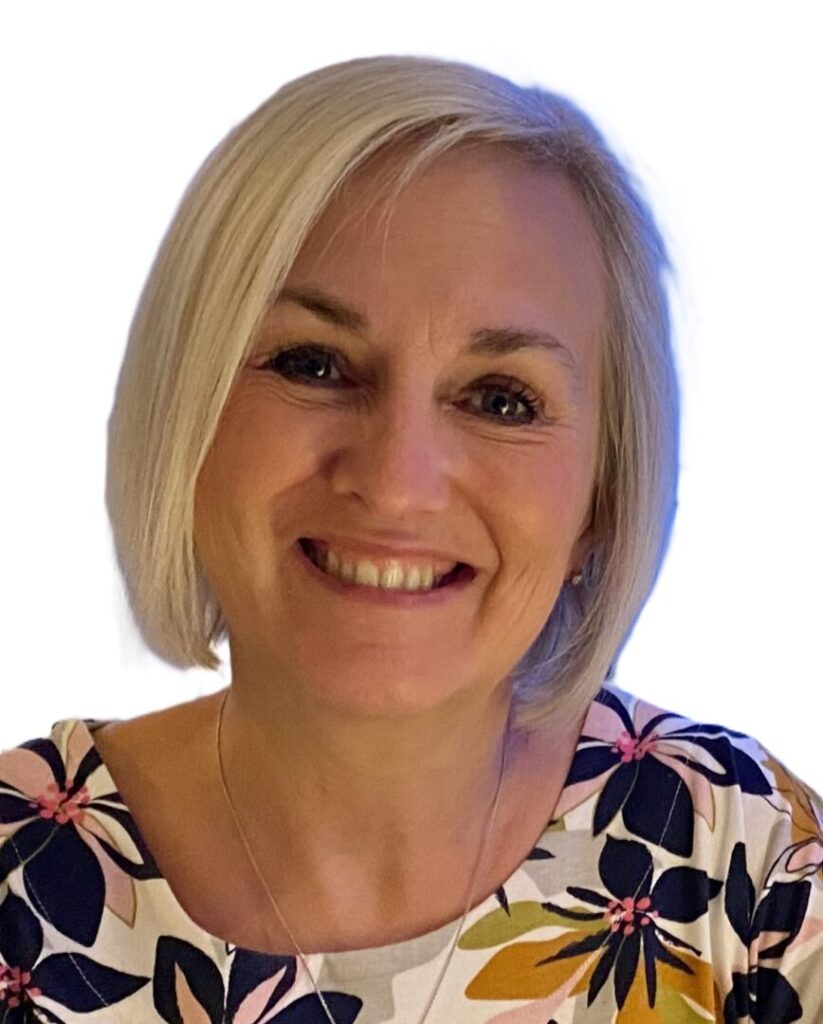
Michele Fisk
Business Director
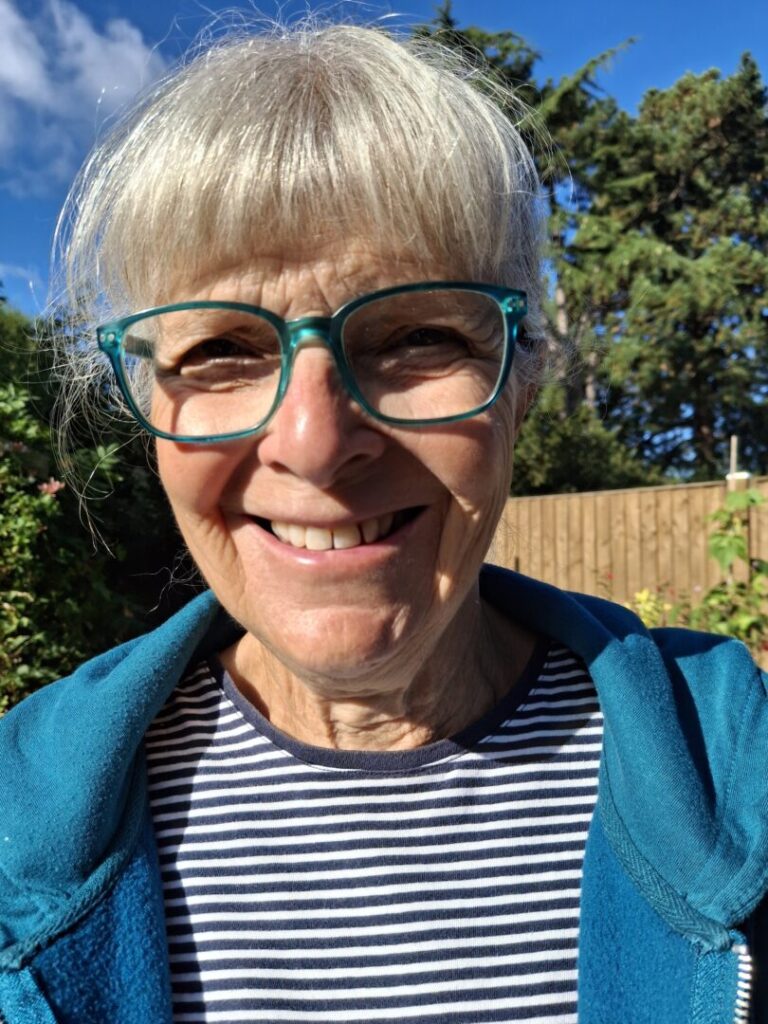
Melanie Goodwin
Associate of the Pottergate Centre
YOU'RE NOT ALONE
What is Dissociation?
Severe dissociative symptoms can cause disruptions in a person’s memory, consciousness, identity, and sense of self and the world around them. They are often a learned response to traumatic experiences, where dissociation becomes a coping mechanism to distance oneself from overwhelming distress. Symptoms include memory gaps, feeling disconnected from oneself or others, and possibly having distinct identities. Dissociation can be a normal reaction to stress, but in dissociative disorders, it becomes a severe and persistent problem.
The assessment process with my assessor was an incredibly validating experience. I finally feel like I have an explanation for what’s been happening all my life and a clearer direction for how to move forward….Thank you again for making what could have been a very daunting process feel so supportive and smooth.
Thank you so much for your email, and for the care and thought you put into your reflections following our session…..we really appreciate the way you held space for everything that was shared.
We really are incredibly grateful for the time you gave us in a safe way, and for how you supported everyone who came forward.
I just wanted to say how lovely you are and tell you how much I appreciated the way you were. I don’t have a great memory of the process for that day but my overwhelming memory is of your kindness, supportiveness and understanding.
Pottergate made a potentially difficult decision, full of trepidation, as easy as it could have been made for me and all our learned trauma responses that we had to navigate.
I could not have asked for any better in what you have provided in the reports. Thanks so much to the team for your efforts.
I feel quite calm and accepting of the outcome of my recent SCID-D assessment to be honest and feel I can now finally stop trying to find out what has happened to me after all this time. I just know that this will change my life now as I have a full understanding and I don’t have to keep searching anymore to try to understand myself.
Thank you all so much for all of your help and support during this process, it was a really huge step for me to take but you have made me feel extremely validated throughout this whole process.
Steph made me feel so calm, even in the first Zoom call, it takes an awful lot for me to trust anyone, and I felt at ease straight away which then made taking the next step so much easier for me.
We can send you a set of screening instruments which can then be scored free of charge. For more information, click here. Please complete the contact form to request the screening instrument.
Yes, the SCID-D (Semi-Structured Clinical Interview for Dissociative Symptoms and Disorders) is used to diagnose Dissociative Disorders, and our highly trained team are experts in carrying out the assessment.
Yes, we can offer supervision to help on a regular basis, or as one-off consultations. You are welcome to get in touch to discuss how we can help further.
We can tailor our training packages to work with your individual needs, from introductory courses to carrying out assessments and we would be happy to discuss how we can help you.